
15/03/ · So higher inflation rates have negative effects on the value of a currency. The currency becomes weaker compared to other currencies which means it buys less of other currencies. Every investor dealing with international goods or services is affected by Forex blogger.comted Reading Time: 7 mins 23/10/ · The reverse phenomenon can also occur, i.e. exchange rates can affect inflation. Depreciation in the exchange rate devalues the home currency, increases inflation and makes imports more expensive. On the other hand, an appreciation in the exchange rate makes the home currency stronger, reduces import prices and lowers blogger.comted Reading Time: 8 mins 11/05/ · In other words, the euro will fall in the euro-sterling foreign exchange rate as a result of inflation in France. Gopinath’s principal finding is that when a large fraction of a country’s trade is denominated in foreign currencies, its rate of inflation will be more strongly affected by exchange-rate fluctuations
How Does Inflation Affect Foreign Exchange Rates - Trading market
The rate of inflation in a country can have a major impact on the value of the country's currency and the rates of foreign exchange it has with the currencies of other nations. However, inflation is just one factor among many that combine to influence a country's exchange rate. Inflation is more likely to have a significant negative effect, rather than a significant positive effect, on a currency's value and foreign exchange rate.
A very low rate of inflation does not guarantee a favorable exchange rate for a country, but an extremely high inflation rate is very likely to impact the country's exchange rates with other nations negatively. Inflation is closely related to interest rateswhich can influence exchange rates. Countries attempt to balance interest rates and inflation, but the interrelationship between the two is complex and often difficult to manage.
Low interest rates spur consumer spending and economic growthand generally positive influences on currency value. If consumer spending increases to the point where demand exceeds supply, inflation may ensue, which is not necessarily a bad outcome.
But low interest rates do not commonly attract foreign investment. Higher interest rates tend to attract foreign investmentwhich is likely to increase the demand for a country's currency. The ultimate determination of the value and exchange rate of a nation's currency is the perceived desirability of holding that nation's currency. That perception is influenced by a host of economic factors, such as the stability of a nation's government and economy, how does inflation affect forex rates.
Investors' first consideration in regard to currency, before whatever profits they may realize, is the safety of holding cash assets in the currency. If a country is perceived as politically or economically unstable, or if there is any significant possibility of a sudden devaluation or other change in the value of the country's currency, investors tend to shy away from the currency and are reluctant to hold it for significant periods or in large amounts.
Beyond the essential perceived safety of a nation's currency, numerous other factors besides inflation can impact the exchange rate for the currency. Such factors as a country's rate of economic growthits balance of trade which reflects the level of demand for the country's goods and servicesinterest rates and the country's debt level are all factors that influence the value of a given currency.
Investors monitor a country's leading economic indicators to help determine exchange rates. Which one of many possible influences on exchange rates predominates is variable and subject to change. At one point in time, a country's interest rates may be the overriding factor in determining the demand for a currency. At another point in time, inflation or economic growth can be a primary factor.
Exchange rates are relative, especially in the modern world of fiat currencies where virtually no currencies have any intrinsic valuesay, as defined in terms of goldfor which the currency could be exchanged. The only value any country's currency has is its perceived value relative to the currency of other countries or its domestic purchasing power.
This situation can influence the effect that inputs—such as inflation—has on a country's exchange rate. For example, a country may have an inflation rate that is generally considered high by economists, but if it is still lower than that of another country, the relative value of its currency can be higher than that of the other country's currency.
You may want to read further on the macro fundamentals that affect the economy. Your Money. Personal Finance. Your Practice. Popular Courses, how does inflation affect forex rates.
Key Takeaways Inflation is closely related to interest rates, which can influence exchange rates. Other factors, such as economic growth, the balance of trade which reflects the level of demand for the country's goods and servicesinterest rates, and the country's debt level all influence the value of a given currency. The most powerful determiner of value and the exchange rate of a nation's currency is the perceived desirability of that currency.
Compare Accounts. Advertiser Disclosure ×. The offers that appear in this table are from partnerships from which Investopedia receives compensation. This compensation may impact how and where listings appear. Investopedia does not include all offers available in the marketplace. Related Articles. Macroeconomics Understand the Indirect Effects of Exchange Rates. Partner Links. Related Terms Managed Currency A managed currency is one whose value and exchange rate are affected by the intervention of a central bank.
Real Effective Exchange Rate REER The real effective exchange rate REER compares the relative exchange rate of a currency against a basket of foreign currencies. Dollar Rate The dollar rate is the exchange rate of a currency against the U. dollar USD. It's important for any how does inflation affect forex rates import and export. What Causes Hyperinflation Hyperinflation describes rapid and out-of-control price increases in an economy. How does inflation affect forex rates this article, how does inflation affect forex rates, we explore the causes and impact of hyperinflation.
Understanding Exchange Rate Mechanisms ERMs An exchange rate mechanism ERM is a set of procedures used to manage a country's currency exchange rate relative to other currencies. About Us Terms of Use How does inflation affect forex rates Editorial Policy Advertise News Privacy Policy Contact Us Careers California Privacy Notice. Investopedia is part of the Dotdash publishing family.
What is the relation between inflation and exchange rate \u0026 how inflation affects exchange rate
, time: 9:43How Does Inflation Affect Foreign Exchange Rates
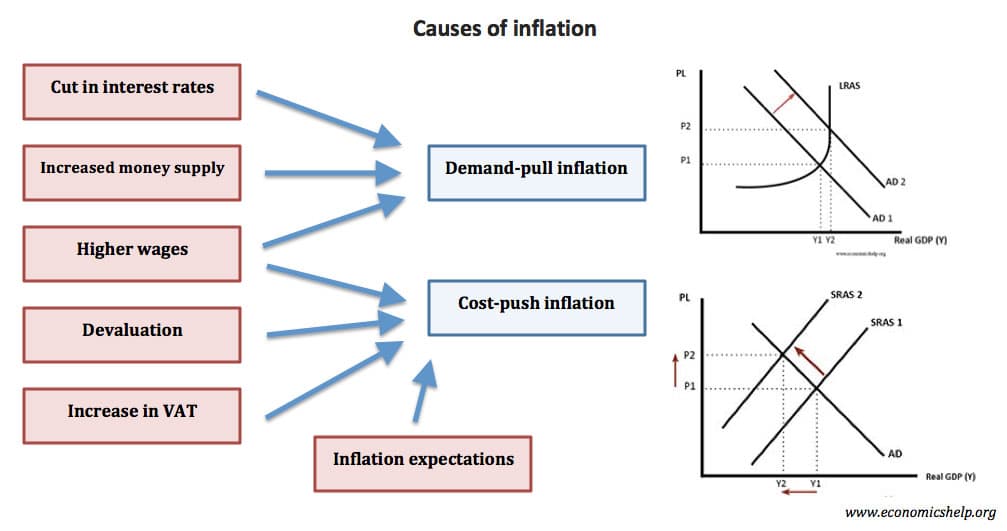
23/10/ · The reverse phenomenon can also occur, i.e. exchange rates can affect inflation. Depreciation in the exchange rate devalues the home currency, increases inflation and makes imports more expensive. On the other hand, an appreciation in the exchange rate makes the home currency stronger, reduces import prices and lowers blogger.comted Reading Time: 8 mins 11/05/ · In other words, the euro will fall in the euro-sterling foreign exchange rate as a result of inflation in France. Gopinath’s principal finding is that when a large fraction of a country’s trade is denominated in foreign currencies, its rate of inflation will be more strongly affected by exchange-rate fluctuations 15/03/ · So higher inflation rates have negative effects on the value of a currency. The currency becomes weaker compared to other currencies which means it buys less of other currencies. Every investor dealing with international goods or services is affected by Forex blogger.comted Reading Time: 7 mins

No comments:
Post a Comment